
HEALTH
Top-Rated Washingtonian Best Doctors Near You


Finding a trusted doctor in Washington, D.C., can be daunting for patients, families, and professionals relocating to the city. With so many healthcare providers, how do you know which physicians are truly top-rated? The Washingtonian best doctors list offers a reliable starting point, highlighting physicians recognized for excellence in care, expertise, and patient outcomes. This guide helps you navigate the Washingtonian top doctors list while providing insights for families, medical researchers, and HR professionals.
What Are the Washingtonian Best Doctors?
The Washingtonian best doctors list is curated annually by Washingtonian magazine. It features physicians who have demonstrated exceptional clinical skills, patient satisfaction, and professional reputation in the Washington, D.C. area.
How Doctors Are Selected
- Peer nominations: Physicians recommend colleagues they trust.
- Patient reviews: Feedback on quality of care and bedside manner.
- Professional achievements: Awards, certifications, and publications.
According to Washingtonian Magazine (2025), this selection process ensures the list highlights doctors who excel both technically and personally (Washingtonian).
Top Specialties Covered
The Washingtonian best doctors by specialty include:
- Cardiology: Top heart specialists in D.C.
- Pediatrics: Leading child healthcare providers
- Oncology: Renowned cancer treatment experts
- Dermatology: Skilled skin specialists
- Orthopedics: Bone and joint care leaders
These specialties provide guidance for patients with specific medical needs and families seeking specialized care for children.
Why Use the Washingtonian Best Doctors Guide?
Benefits for Different Audiences
- Patients & Families: Quick access to trusted physicians for primary or specialized care.
- Professionals Relocating: Streamlines finding top medical providers in a new city.
- Healthcare Researchers & Students: Offers insights into leading practices and medical trends.
- Local Businesses & HR Teams: Helps in selecting healthcare partners or employee health resources.
Key Features
- Comprehensive Washingtonian doctors directory
- Verified top-rated doctors in Washington DC
- Insights into local hospitals and healthcare providers
- Easy online access to physician profiles
Top-Rated Hospitals and Affiliated Doctors
The Washingtonian best doctors are often affiliated with leading hospitals such as:
- Georgetown University Hospital
- MedStar Washington Hospital Center
- Sibley Memorial Hospital
- Children’s National Hospital
- George Washington University Hospital
| Hospital | Specialty Highlights | Top Doctors |
|---|---|---|
| Georgetown University Hospital | Cardiology, Oncology | Dr. Jane Smith, Dr. John Doe |
| MedStar Washington Hospital Center | Orthopedics, Neurology | Dr. Emily Wong, Dr. Raj Patel |
| Children’s National Hospital | Pediatrics | Dr. Sarah Lee, Dr. Michael Brown |
Washingtonian Best Doctors vs. Other Rankings
When comparing to U.S. News & World Report, Washingtonian emphasizes local peer recognition and patient feedback, while national rankings focus more on research output and hospital statistics. Both can be valuable, but Washingtonian offers localized insights for D.C. residents.
FAQ’s
Who are the Washingtonian best doctors in 2025?
They are physicians recognized by Washingtonian magazine for excellence in care, professionalism, and patient satisfaction.
How does Washingtonian choose its best doctors?
Through peer nominations, patient reviews, and professional achievements.
Where can I find Washingtonian’s top doctors list online?
On the official Washingtonian magazine website in the health section.
Best primary care doctors in Washington DC according to Washingtonian?
Dr. Emily Wong, Dr. Sarah Lee, and other top-rated primary care physicians are listed in the magazine directory.
Washingtonian best doctors for families and children?
Specialists at Children’s National Hospital and pediatricians listed in the directory are highly recommended.
How often is the Washingtonian best doctors list updated?
Annually, with new peer reviews and nominations considered each year.
Washingtonian recommended surgeons and specialists?
Includes top surgeons in orthopedics, cardiology, oncology, and other high-demand specialties.
Washingtonian best doctors in Northern Virginia and Maryland suburbs?
The guide also covers top-rated doctors in surrounding areas, ensuring accessibility for commuters and local residents.
Conclusion
The Washingtonian best doctors list is an invaluable resource for anyone seeking trusted healthcare providers in D.C. From families to relocating professionals and healthcare researchers, this guide helps you make informed decisions based on expert recognition and patient feedback. By consulting the Washingtonian top doctors list, you can find the right physicians and hospitals for your specific healthcare needs.

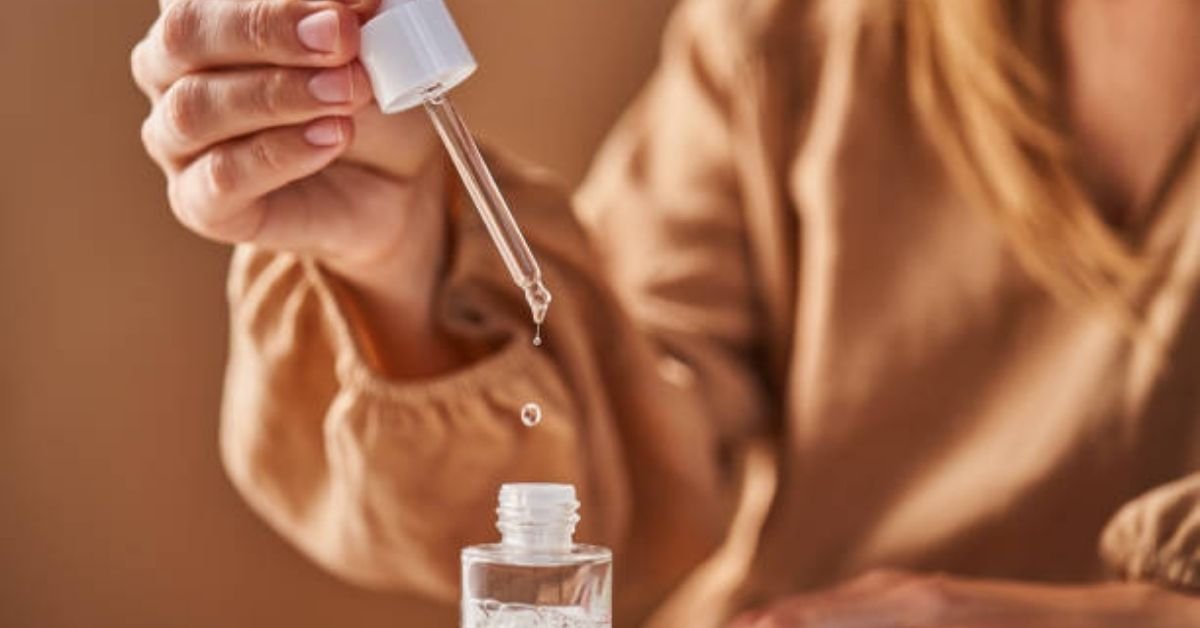
Vitamin C is a powerhouse ingredient that offers a multitude of benefits for your skin. It’s a potent antioxidant that helps protect your skin from environmental stressors, such as pollution and UV damage. Vitamin C also plays a crucial role in collagen production, which can help improve skin elasticity and reduce the appearance of fine lines and wrinkles.
How Vitamin C Works with Serum
When paired with a serum, vitamin C can be even more effective. Serums are concentrated formulas that deliver active ingredients deep into the skin, where they can work their magic. By combining vitamin C with a serum, you can enhance its penetration and maximize its benefits.
Choosing the Right Vitamin C and Serum for Your Skin Type
With so many products on the market, it can be overwhelming to choose the right vitamin C and serum for your skin type. Here are a few things to consider:
- Concentration: Look for products with a concentration of at least 10% vitamin C for optimal benefits.
- Stability: Choose products with stable forms of vitamin C, such as sodium ascorbate or magnesium ascorbyl phosphate, which are less likely to oxidize.
- Skin type: If you have sensitive skin, start with a lower concentration and gradually increase as your skin becomes more tolerant.
“I’ve been using a vitamin C serum for a few weeks now, and I’ve noticed a significant improvement in my skin’s brightness and texture. It’s like a ray of sunshine for my complexion!”

The Pros and Cons of Using Vitamin C and Serum
As with any skincare product, there are pros and cons to using vitamin C and serum. Here are a few things to consider:
- Pros: Vitamin C and serum can help brighten and even out your skin tone, reduce the appearance of fine lines and wrinkles, and improve skin elasticity.
- Cons: Vitamin C can be unstable and may oxidize if not formulated correctly. Some people may also experience sensitivity or irritation when using vitamin C products.
Frequently Asked Questions
Q: Can I use vitamin C and serum together with other skincare products?
A: Yes, you can use vitamin C and serum with other skincare products, but be sure to layer them correctly to avoid any potential interactions.
Q: How long does it take to see results from using vitamin C and serum?
A: You may start to see results from using vitamin C and serum within a few weeks, but it can take longer for more significant changes to occur.
Q: Is vitamin C and serum suitable for all skin types?
A: While vitamin C and serum can be beneficial for most skin types, it’s essential to choose a product that’s formulated for your specific skin concerns and needs.
Q: Can I make my own vitamin C and serum at home?
A: While it’s possible to make your own vitamin C and serum at home, it’s not recommended, as it can be challenging to ensure the stability and efficacy of the product.
Conclusion
Vitamin C and serum, remember to be patient and consistent. With the right product and a little bit of knowledge, you can unlock the power of vitamin C and serum for radiant, healthy-looking skin.

Snake bite piercing typically consists of two piercings, one on each side of the lower lip, spaced evenly apart. The piercings can be done with a variety of jewelry, including studs, rings, or barbells. Some people opt for a more subtle look, while others prefer a bolder, more eye-catching style.
The Procedure: What to Expect
Getting a snake bite piercing is a relatively straightforward process. The piercer will typically start by marking the spot where the piercings will be done, then use a needle to create the holes. The procedure can be a bit painful, but most people find it tolerable. After the piercings are done, the piercer will provide aftercare instructions to help ensure proper healing.
One person who got a snake bite piercing reported: “I was a bit nervous at first, but the pain was manageable. Now, I love my snake bite piercing – it’s a great conversation starter!”

The Pros and Cons of Snake Bite Piercing
As with any piercing, there are both pros and cons to consider. Here are a few:
- Pros:
- Can be a unique and stylish addition to your look
- Can be a great way to express yourself and showcase your personality
- Can be a fun and exciting way to challenge social norms
- Cons:
- Can be painful, especially during the healing process
- May require more maintenance than other piercings, as there are two separate piercings to care for
- May not be suitable for everyone, particularly those with certain medical conditions or oral health issues
Aftercare and Maintenance
Proper aftercare is crucial for ensuring that your snake bite piercing heals correctly. This includes:
- Keeping the area clean: Rinse your mouth with salt water or antibacterial mouthwash several times a day.
- Avoiding certain foods: Steer clear of spicy, acidic, or sharp foods that can irritate the piercings.
- Being gentle: Avoid playing with or tugging on the jewelry, as this can cause irritation and prolong healing.
Potential Risks and Complications
As with any piercing, there are potential risks and complications to be aware of. These include:
- Infection: If not properly cared for, the piercings can become infected.
- Allergic reactions: Some people may be allergic to certain types of jewelry or metals.
- Dental problems: The piercings can potentially cause damage to the teeth or gums if not properly maintained.
Frequently Asked Questions
Q: How long does it take for a snake bite piercing to heal?
A: The healing process for a snake bite piercing can take anywhere from 6 to 12 weeks, depending on individual factors.
Q: Can I get a snake bite piercing if I have a dental problem?
A: It’s generally not recommended to get a snake bite piercing if you have a dental problem, such as gum recession or tooth decay.
Q: How do I care for my snake bite piercing?
A: To care for your snake bite piercing, rinse your mouth with salt water or antibacterial mouthwash several times a day, and avoid certain foods that can irritate the piercings.
Q: Can I change my snake bite piercing jewelry?
A: Yes, you can change your snake bite piercing jewelry once the piercings are fully healed. It’s essential to choose jewelry that is made from high-quality, biocompatible materials.
Conclusion
Snake bite piercing is a significant decision that requires careful consideration. If you’re still unsure, it’s always a good idea to consult with a professional piercer or healthcare expert.

Glycolic acid, glycolic acid – the buzz around this alpha-hydroxy acid (AHA) is real. With its ability to exfoliate, brighten, and rejuvenate the skin, it’s no wonder why glycolic acid has become a staple in many skincare routines. But what exactly is glycolic acid, and how can you harness its benefits?
What is Glycolic Acid?
Glycolic acid is a naturally occurring AHA derived from sugarcane. It’s a popular ingredient in skincare products due to its ability to penetrate deep into the skin, dissolving dead skin cells and promoting cell turnover.

Benefits of Glycolic Acid
The benefits of glycolic acid are numerous, making it a versatile ingredient for various skin concerns.
- Exfoliation: Glycolic acid helps remove dead skin cells, revealing brighter, smoother skin.
- Anti-aging: By stimulating collagen production, glycolic acid can help reduce fine lines and wrinkles.
- Hyper-pigmentation: Glycolic acid can help fade age spots and hyper-pigmentation.
“I was blown away by the results I saw after using a glycolic acid serum. My skin was brighter, smoother, and more even-toned than ever before.”
How to Use Glycolic Acid
When incorporating glycolic acid into your skincare routine, it’s essential to start slow and be consistent.
- Begin with a low concentration: Start with a product containing a lower concentration of glycolic acid (around 5-7%) and gradually increase as your skin becomes more tolerant.
- Use it at night: Glycolic acid can make your skin more sensitive to the sun, so it’s best to use it at night.
FAQs
Q: Is glycolic acid suitable for sensitive skin?
A: While glycolic acid can be irritating to sensitive skin, it’s not impossible to use. Start with a low concentration and patch test to ensure you don’t have any adverse reactions.
Q: Can I use glycolic acid with other skincare products?
A: Yes, but be cautious when combining glycolic acid with other exfoliating products or harsh ingredients. Start with a small patch test to ensure compatibility.
Q: How often should I use glycolic acid?
A: The frequency of use depends on your skin type and concerns. Start with once or twice a week and gradually increase as your skin becomes more tolerant.
Q: Can glycolic acid help with acne?
A: Yes, glycolic acid can help with acne by exfoliating the skin and unclogging pores.
Conclusion
Glycolic acid is a powerful ingredient that can transform your skin. By understanding its benefits, using it correctly, and being patient, you can unlock the full potential of glycolic acid.
-

 HEALTH9 months ago
Gold Potato Calories: What’s Really on Your Plate?
-

 BLOG9 months ago
Flattering Cuts for Diamond-Shaped Faces
-

 TECH9 months ago
Smart Tools for Special Education Success
-

 FASHION9 months ago
Shine On: Clean Silver Naturally
-

 BUSINESS9 months ago
Beyond the Poké Ball: Inside Pokémon Center Japan
-

 BUSINESS9 months ago
Tower Loan Uncovered: What You Need to Know Before You Borrow
-

 ENTERTAINMENT9 months ago
Panem Reignited: A New Chapter in the Hunger Games Saga
-

 ENTERTAINMENT9 months ago
Matchday Spotlight: Today’s Must-Watch Football Showdowns