
BLOG
Windows 9: The Operating System That Never Existed

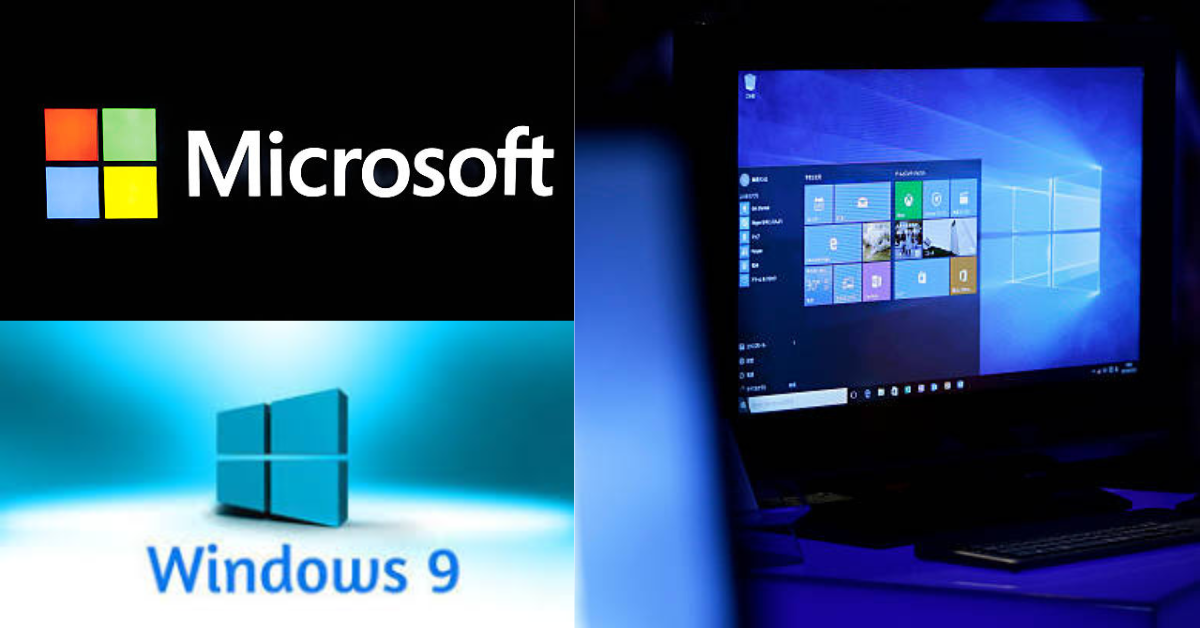
When people talk about the history of Microsoft’s operating systems, the conversation often jumps from Windows 8 straight to Windows 10. This missing link leads to an intriguing question: what happened to Windows 9? For years, rumors, theories, and myths have surrounded its absence. Some point to technical legacy issues, while others believe it was a clever branding move by Microsoft. Whatever the reason, the story of the missing version remains one of the most fascinating moments in tech history.

The Legacy of Windows 9x and Compatibility Challenges
To understand why the number nine was skipped, we need to look back at the Windows 9x family. Versions like Windows 95, Windows 98, and Windows ME were often identified in software code by a prefix such as “Windows 9*.” Developers from the 1990s used this shorthand to determine whether a program was running on those older systems.
Fast forward to the 2010s, releasing a new OS officially called Windows 9 could have triggered confusion in legacy software. Programs coded to recognize “Windows 9*” might have assumed the system was Windows 95 or 98, leading to compatibility problems. While modern applications rarely rely on such checks, the potential for instability was enough to make Microsoft think twice.
Branding Strategy: Distancing from Windows 8
Technical concerns were only part of the equation. Windows 8 faced heavy criticism for its user interface, particularly the replacement of the traditional Start Menu with a tile-based layout. Many users felt alienated, and businesses hesitated to upgrade.
Microsoft needed a fresh start—something bold enough to signal a break from the troubled past. By naming the next release Windows 10, the company not only skipped the unlucky nine but also reinforced the idea of a giant leap forward. This branding strategy aligned with a new mission statement: “Windows as a service.” It was less about being the next step in sequence and more about redefining the platform for a mobile-first and cloud-connected era.
Cultural and Superstitious Factors
Another theory, often mentioned in tech circles, involves cultural interpretations of numbers. In parts of Asia, the number nine sounds similar to words associated with pain or suffering. Companies aiming for global branding sometimes avoid numbers with negative connotations.
While Microsoft never confirmed superstition as a factor, it wouldn’t be the first time a tech company skipped a number. Apple bypassed the iPhone 9, moving directly from iPhone 8 to iPhone X. Similarly, Samsung jumped from Galaxy Note 5 to Note 7, bypassing the “6” for strategic reasons. These decisions show how cultural perception can influence product naming, even if it’s not the sole driver.
The Mythical Windows 9 “Telluride”
Behind closed doors, there were whispers of a version internally referred to as “Telluride.” Some reports suggest that Microsoft had begun prototyping what might have been Windows 9 before shifting direction. Whether this was a codename for an early build of Windows 10 or a separate project altogether remains unclear.
The lack of concrete evidence only fueled speculation. Tech forums, blogs, and online communities began spinning theories, making Windows 9 a kind of digital legend—something enthusiasts wanted to exist but never officially saw.
Why Windows 10 Made More Sense
By the time Microsoft announced Windows 10, the company framed it as a new era rather than a continuation of the old sequence. It was designed to unify PCs, tablets, and mobile devices under a single ecosystem. Features like the return of the Start Menu, the integration of Cortana, and the concept of universal apps emphasized innovation.
Choosing “10” symbolized completeness and modernity. It told customers and developers alike that the company was leaving behind not just Windows 8’s mistakes, but the entire numerical lineage tied to legacy systems. The decision may have been unconventional, but it worked—Windows 10 went on to become one of the most widely adopted operating systems in history.
Misconceptions and Myths About Windows 9
Despite the official explanations, myths continue to circulate. Some believe skipping nine was purely a marketing gimmick, designed to compete with Apple’s iOS 10 at the time. Others joke that “seven ate nine,” turning the absence into a pop culture meme.
There’s also the persistent idea that Microsoft wanted to avoid confusion with Apple’s OS X, which was often pronounced as “OS 10.” Naming their product Windows 9 might have seemed outdated in comparison.
These narratives may not be entirely accurate, but they highlight how the missing version captured public imagination.

Lessons from the Missing Version
The case of Windows 9 teaches us more than just trivia about software naming. It shows how product decisions involve layers of technical caution, branding psychology, cultural sensitivity, and market positioning. A simple number can carry unexpected weight in shaping perception.
Microsoft’s choice demonstrates that operating systems are not just pieces of code—they are also symbols of identity, trust, and progress. The absence of Windows 9 illustrates how even what doesn’t exist can influence technology history.
FAQs About Windows 9
Why did Microsoft skip Windows 9?
Microsoft skipped Windows 9 to avoid potential compatibility problems with legacy applications coded for Windows 95 and 98, and to rebrand after Windows 8’s poor reception.
Was there ever a Windows 9 released internally?
Some prototypes under the codename “Telluride” may have existed, but Microsoft never launched an official product called Windows 9.
What is Windows 9x?
Windows 9x refers to the family of operating systems including Windows 95, Windows 98, and Windows ME. It was not a single version but a category of consumer OS builds.
Did superstition influence the decision?
While not confirmed, cultural associations with the number nine being unlucky in some regions may have influenced the naming strategy.
Was Windows 10 really a big leap forward?
Yes. Windows 10 introduced features like Cortana integration, a unified ecosystem, and a more user-friendly Start Menu, marking a major shift in Microsoft’s direction.
Can you download Windows 9 today?
No official version exists. Any “Windows 9” downloads online are fake and potentially harmful.
Conclusion
The story of Windows 9 is as much about what never happened as what did. By skipping from Windows 8 to Windows 10, Microsoft avoided legacy compatibility issues, distanced itself from a troubled predecessor, and crafted a powerful rebranding moment. Whether influenced by technical needs, cultural superstition, or marketing strategy, the missing version remains a fascinating piece of tech history.


Coomersu is a portmanteau of two powerful concepts: community and commerce. While traditional e-commerce treats buyers as isolated transactions, Coomersu recognises that purchasing decisions are deeply social. People trust peers far more than brand advertisements and Coomersu is built on that insight.
You may also see it spelled coomer su a casual variation that reflects how organically the term has spread across online communities. Whatever the spelling, the idea is the same: commerce that is powered by, and for, a community.
Coomersu vs Traditional E-Commerce: A Direct Comparison
The table below shows how the Coomersu model differs fundamentally from conventional online retail:
| Dimension | Traditional E-Commerce | Coomersu Model |
| Customer Role | Passive buyer | Active co-creator and community member |
| Marketing Focus | Paid ads, promotions | Word-of-mouth, UGC, peer advocacy |
| Feedback Mechanism | Surveys, star ratings | Real-time forums, polls, co-creation loops |
| Trust Driver | Brand promise | Collective wisdom and authentic peer reviews |
| Risk | High churn, low loyalty | Deep loyalty, reduced returns, high LTV |
Why Coomersu is Reshaping the Future of Shopping
The Shift from Transaction to Relationship
Modern consumers are not just buying products they are buying belonging. Research consistently shows that buyers are more likely to trust a recommendation from a peer than any form of brand advertising. Coomersu taps into this shift by making community the core of the commercial experience.
Brands that foster loyalty, build authentic connections, and invite customers into their story see dramatically higher repeat purchase rates. In fact, community-driven commerce strategies have been linked to repeat purchase increases of 20% or more compared to traditional transactional models.
Key Benefits for Businesses
- Enhanced customer loyalty and long-term retention
- Powerful brand advocacy from engaged community members
- Valuable product insights gathered directly from buyers
- Cost-effective marketing through organic word-of-mouth
- Reduced reliance on paid advertising channels
- Stronger product development guided by real customer feedback
Key Benefits for Consumers
- Empowered shopping decisions backed by authentic peer reviews
- Tailored, personalised product experiences
- Reduced purchase anxiety from real photos, videos, and honest reviews
- A genuine sense of belonging to a brand community
- Direct line to influence the products they buy
Core Pillars of a Successful Coomersu Model
Active Community Engagement and Co-Creation
The heartbeat of Coomersu is participation. Brands using this model create community forums where customers discuss products, share ideas, and vote on new features through product polls. These feedback loops allow businesses to iterate rapidly and launch products their community actually wants.
Co-creation is more than asking for opinions it means genuinely incorporating customer input into product roadmaps, packaging decisions, and even brand naming. When customers see their suggestions come to life, they become advocates for life.
Hyper-Personalisation (The Helpful Kind)
AI-powered personalisation in the Coomersu model goes beyond tracking browsing behaviour. It connects individual preferences with community trends to surface genuinely useful product recommendations. The key distinction is respect: personalisation in Coomersu is transparent, opt-in, and designed to help not to manipulate.
When customers feel that a brand understands them as individuals within a shared community, the result is deeper loyalty and higher average order values.
Authenticity Through User-Generated Content
User-generated content (UGC) is the lifeblood of community commerce. Real photos, honest reviews, unboxing videos, and customer stories act as authentic social proof in a way that polished brand advertising simply cannot replicate.
Brands that actively encourage and showcase UGC see measurable reductions in product returns, because customers have an accurate, real-world picture of what they are buying before they commit to a purchase.
Trust, Safety and Responsible Moderation
A Coomersu community that is not safe is not sustainable. Data privacy is a top concern for both regulators (GDPR, CCPA) and consumers. Community platforms must have clear, published rules of conduct, human moderators to handle disputes and misinformation, and secure payment infrastructure.
When something goes wrong and in any community, it eventually will the brands that thrive are those that communicate honestly, admit mistakes, and course-correct quickly. Responsible communication is not just ethical; it is a competitive advantage.
How to Build Your Coomersu Strategy: A Step-by-Step Playbook
Define Your Niche and Choose Your Community Home
Before you invite a single customer, you need to know exactly who you are serving and where they gather. Start by choosing one dedicated platform this prevents community energy from being scattered across multiple channels.
| Platform | Best For | Pricing | Key Feature |
| Discord | Gaming, tech, youth brands | Free / Nitro | Real-time chat & voice |
| Circle | Paid memberships, courses | From $89/mo | Clean UX, monetisation tools |
| Mighty Networks | Brand communities, cohorts | From $41/mo | Courses + community bundled |
| Discourse | Knowledge-focused brands | Free / hosted | Deep forum threads, SEO-friendly |
| Shopify + Instagram Shops | Direct-to-consumer retail | Varies | Integrated storefront + social |
Onboard Your First Members and Set the Tone
Your first 100 community members set the culture for everyone who follows. Personally invite your best existing customers with a friendly, human message explaining what the community is for and what they will gain from joining.
Publish clear community rules from day one. Give early members exclusive benefits early access to new products, behind-the-scenes content, or a direct line to your founder or product team. When people feel special, they stay and invite others.
Implement Feedback Loops and Co-Create
Gather feedback systematically through product polls, Q&A sessions, and open suggestion threads. Crucially, always close the loop: tell your community what changed as a result of their input. Even a simple post saying ‘You asked for this here it is’ builds enormous trust and demonstrates that their time is respected.
This iterative approach to product development is one of the defining characteristics of Coomersu and is a key driver of the loyalty it generates.
Reward Engagement and Measure What Matters
Recognition is a powerful motivator. Reward your most helpful members with badges, exclusive drops, or early access. Acknowledge top contributors publicly. These signals tell your community that engagement has real value.
For measuring success, track these key metrics:
- Community health: posts per week, reply rates, active member ratio
- Repeat purchase rate: the clearest signal of loyalty
- Referral rate: how often community members bring new customers
- Support ticket reduction: an active community often self-solves problems
- Customer lifetime value (CLV): the long-term financial impact of loyal members
Real-World Coomersu Examples and Case Studies
How Glossier Built a Beauty Empire on Community Feedback
Glossier is arguably the most cited example of community-driven commerce done right. Before launching a single product, the team spent years building a blog (Into The Gloss) that engaged directly with readers about their skincare routines and preferences.
When products launched, they were shaped by thousands of real conversations. Community members were given early access, were featured in campaigns, and had their feedback visibly incorporated into product iterations. The result was a brand with cult-level loyalty built almost entirely on authentic community engagement rather than paid advertising.
Key tactic: Close the feedback loop publicly. When a customer suggestion becomes a product improvement, announce it to the community. It transforms one piece of feedback into a loyalty event for thousands.

Subreddit to Storefront
Several direct-to-consumer brands have successfully turned niche Reddit communities into commercial ecosystems. By participating authentically in existing conversations answering questions, sharing expertise, and never hard-selling these founders built trust before they ever asked for a sale.
Once trust was established, converting community members into customers required minimal effort. The community itself became the marketing channel, the product feedback mechanism, and the customer retention engine simultaneously.
Key tactic: Go where the community already lives. Start by adding value to an existing conversation rather than trying to build a new platform from scratch.
Small Business Success with Discord
A small specialty coffee roaster in the Pacific Northwest created a Discord server for their 200 most loyal customers. Inside the server, they shared roasting notes, asked members to vote on new bean selections, and gave the community first access to limited batches.
Within 12 months, repeat purchase rates among server members were more than double those of non-members. The community also generated a steady stream of organic social media posts, reducing the business’s paid advertising spend by over 30%.
Key tactic: Start small and go deep. A highly engaged community of 200 people is worth far more than a passive email list of 20,000.
The Future of Coomersu: Trends to Watch
Augmented Reality (AR) and Virtual Try-Ons
The next frontier of community commerce is immersive. Augmented reality tools already allow customers to try on glasses, preview furniture in their homes, or test makeup shades through their smartphone camera. As AR becomes more accessible, community members will be able to share their try-on experiences directly within community spaces creating a new layer of authentic, visual UGC.
Voice Commerce and AI Assistants
Voice shopping via AI assistants is growing rapidly, and the brands best positioned to win in this space are those with established community trust. When a customer asks their voice assistant to ‘reorder my usual coffee,’ that habit is built on months of positive community engagement, not a single transaction.
The Rise of Sustainable and Ethical Commerce
Community-driven brands are uniquely positioned to lead on sustainability. A Coomersu community can advocate for eco-friendly products, low-waste packaging, and fair labour practices and hold brands accountable when they fall short. Sustainability is no longer a marketing add-on; for Coomersu brands, it is a community value that shapes every product decision.
Frequently Asked Questions About Coomersu
What is Coomersu?
Coomersu is a commerce model that places community at its centre. Rather than treating customers as isolated buyers, it creates shared spaces forums, Discord servers, social groups where customers connect, share feedback, and co-create products with the brands they love.
How does Coomersu differ from traditional e-commerce?
Traditional e-commerce is transactional: a customer visits a store, buys a product, and leaves. Coomersu is relational: it builds ongoing, two-way relationships. The customer is not just a buyer they are a member, an advisor, and an advocate.
Can small businesses implement a Coomersu model?
Yes and small businesses often have an advantage. A founder who personally engages with their first 100 community members creates a level of authentic connection that large corporations struggle to replicate. Free tools like Discord make it possible to start a Coomersu strategy with virtually no budget.
What are the best tools to start a community for my brand?
The right tool depends on your audience and goals. Discord is ideal for younger, engaged audiences who prefer real-time interaction. Circle and Mighty Networks are better suited to paid membership or course-based communities. Discourse works well for knowledge-driven brands that want SEO-friendly, searchable forum content.
How do I measure the success of my Coomersu strategy?
Track repeat purchase rate, referral rate, community health metrics (post frequency, reply rate, active member count), support ticket volume, and customer lifetime value. A successful Coomersu community will show improvement across all of these over time.
What are the biggest challenges of community-driven commerce?
The primary challenges are content moderation, data privacy compliance (especially under GDPR and CCPA), the risk of misinformation spreading within a community, and maintaining quality as the community scales. Each of these is manageable with clear rules, human moderation, and a transparent communication culture.
Is Coomersu just another term for social commerce?
They are related but distinct. Social commerce refers broadly to selling through social media platforms (Instagram Shops, TikTok Shopping). Coomersu is a deeper model that encompasses any platform where community and commerce are genuinely integrated social media, dedicated forums, Discord servers, or brand-owned communities.
How can I ensure data privacy in a community platform?
Be transparent about what data you collect and why. Obtain clear consent before using community data for personalisation. Comply with applicable regulations (GDPR in Europe, CCPA in California). Publish a clear privacy policy and review it regularly as your community grows.
Conclusion
Coomersu is not a passing trend it is a fundamental shift in the relationship between brands and buyers. As consumer trust in traditional advertising continues to erode, the brands that invest in genuine community will be the ones that earn lasting loyalty.
Whether you are a solo founder with 50 customers or a scaling brand with tens of thousands, the principles of Coomersu apply: engage honestly, listen deeply, co-create with intention, and reward the people who show up.

The tradition of reading Christmas books brings families together and creates cherished holiday memories. Whether you’re seeking heartwarming tales to read aloud by the fireplace, searching for the perfect gift for a book lover, or building your own collection of seasonal reading, the right Christmas book can transform your holidays. From timeless classics that have shaped the holiday spirit for generations to modern festive stories that capture contemporary joy, holiday books offer something special for every reader. This comprehensive guide explores the best Christmas reading across genres, ages, and traditions to help you discover your next favorite seasonal story.
How to Choose the Perfect Christmas Book
Selecting the ideal Christmas book depends on your audience, mood, and holiday traditions. Consider whether you want a nostalgic classic, a cozy romance, an uplifting family story, or a magical children’s tale. Think about your reading format preferences—illustrated editions make stunning coffee table books and gifts, while audiobooks create wonderful family listening experiences during holiday travel. The best Christmas book matches both the occasion and the reader’s tastes.
Classic Christmas Books That Defined the Holiday
These timeless stories have shaped how generations celebrate Christmas. Their enduring appeal lies in universal themes of generosity, redemption, love, and the magic of the season. Classic Christmas books offer a nostalgic return to familiar stories while introducing new readers to literary treasures that have stood the test of time.
From Dickens to Dr. Seuss: The Must-Read Classics
A Christmas Carol by Charles Dickens (1843)
Perhaps the most influential Christmas story ever written, Dickens’ tale of Ebenezer Scrooge’s transformation remains the definitive story of Christmas redemption. The journey through past, present, and future with the three ghosts has defined the modern Christmas spirit. For the best experience, seek out illustrated editions featuring classic artwork, or enjoy one of the many excellent audiobook performances that bring Victorian London to life.
How the Grinch Stole Christmas! by Dr. Seuss (1957)
Dr. Seuss’s beloved tale proves that Christmas means more than presents and decorations. The Grinch’s heartwarming transformation teaches that the holiday spirit cannot be stolen because it lives in our hearts. This classic picture book works beautifully as a family read-aloud and makes an excellent gift for young readers discovering the true meaning of Christmas.
The Night Before Christmas by Clement Clarke Moore (1823)
This iconic poem created our modern image of Santa Claus and established countless Christmas traditions. Its rhythmic verses make it perfect for reading aloud on Christmas Eve. Numerous illustrated editions exist, from classic vintage artwork to contemporary interpretations, each offering a unique visual experience of this foundational Christmas text.
The Gift of the Magi by O. Henry (1905)
This short story captures the essence of selfless love and sacrifice during the holidays. A young couple’s touching decision to give up their most prized possessions to buy each other Christmas gifts delivers a powerful message about what truly matters. Often collected in Christmas short story anthologies, this tale packs profound emotion into just a few pages.
The Polar Express by Chris Van Allsburg (1985)
This modern classic combines stunning illustrations with a magical journey to the North Pole. The story celebrates belief, wonder, and the special magic of Christmas Eve. The book’s gorgeous artwork makes it a treasured addition to any holiday collection and an ideal coffee table book during the season.
A Child’s Christmas in Wales by Dylan Thomas (1952)
Thomas’s lyrical prose poem recalls the wonder of childhood Christmases with vivid sensory details and poetic language. This nostalgic reflection on holiday memories showcases beautiful writing and creates an atmospheric reading experience. It’s particularly wonderful as an audiobook, where Thomas’s musical language truly shines.
Magical Christmas Books for Kids & Family Read-Alouds
Creating family reading traditions around Christmas books brings generations together and builds lasting memories. These selections work beautifully for bedtime stories, holiday gatherings, or quiet afternoon reading sessions. From enchanting picture books for the youngest readers to engaging chapter books for growing families, these stories capture the magic, joy, and wonder that make Christmas special for children.

Bedtime Stories and Festive Picture Books
The Snowman by Raymond Briggs (1978)
This wordless picture book tells a touching story through beautiful illustrations alone. A young boy builds a snowman that magically comes to life, leading to a wonderful nighttime adventure. The lack of text makes it accessible to very young children while allowing parents to create their own narration, making each reading unique and personal.
The Little Match Girl by Hans Christian Andersen (1845)
While bittersweet, this classic tale offers opportunities to discuss compassion, kindness, and helping others during the holidays. Modern illustrated editions present this story with sensitivity, making it appropriate for older children ready to explore deeper themes of empathy and social awareness during Christmas.
The Nutcracker by E.T.A. Hoffmann (adapted versions)
This magical Christmas Eve story of toys coming to life has been adapted into numerous beautifully illustrated children’s editions. The tale pairs wonderfully with experiencing the famous ballet, creating a rich multimedia Christmas tradition. Look for versions with gorgeous artwork that bring the fantasy kingdom and epic battle to vivid life.
Olive, the Other Reindeer by Vivian Walsh (1997)
This charming story follows Olive the dog who mishears ‘all of the other reindeer’ and believes she’s needed to help Santa. Her journey to the North Pole celebrates believing in yourself and finding your unique place. The clever wordplay and sweet message make it a favorite modern addition to Christmas reading lists.
Chapter Books for Family Reading Nights
The Best Christmas Pageant Ever by Barbara Robinson (1972)
When the worst-behaved kids in town take over the church Christmas pageant, chaos and unexpected redemption follow. This hilarious and heartwarming story works perfectly for family read-alouds with children aged 8-12. Its humor, memorable characters, and genuine emotional moments make it a holiday favorite that families return to year after year.
The Life and Adventures of Santa Claus by L. Frank Baum (1902)
From the creator of The Wizard of Oz comes an imaginative origin story of Santa Claus. Baum weaves fantasy, mythology, and heart into a unique take on how Santa came to be. This chapter book offers a longer, more adventurous reading experience for families ready to dive deep into Christmas lore.
Skipping Christmas by John Grisham (2001)
Published as ‘Christmas with the Kranks’ in some editions, this humorous novel follows a couple who decide to skip Christmas entirely. When their plans go hilariously awry, the story delivers laugh-out-loud moments alongside genuine insights about tradition and community. Perfect for families with teenagers who can appreciate the satire.
Cozy & Uplifting Christmas Novels for Adults
Adult readers seeking comfort, romance, or festive escape will find rich options among Christmas novels. These books range from heartwarming romances perfect for cold winter nights to charming mysteries that add intrigue to the season. Whether you want a feel-good love story, an uplifting tale of second chances, or a cozy mystery to solve by the fire, these Christmas novels for adults deliver holiday cheer with sophisticated storytelling.
Heartwarming Holiday Romance
The Christmas Sisters by Sarah Morgan (2019)
This contemporary romance brings three sisters together in the Scottish Highlands for a Christmas that tests their bonds and opens their hearts. Morgan’s warm writing style, vivid setting, and complex family dynamics create a deeply satisfying holiday romance. Perfect for readers who love Hallmark-style stories with more emotional depth and character development.
In a Holidaze by Christina Lauren (2020)
A unique holiday romance with a time-loop twist. When Mae wishes for a do-over of her family’s Christmas vacation, she gets the chance to relive the week repeatedly until she figures out what she really wants. This clever, funny, and romantic story offers a fresh take on Christmas romance for readers seeking something beyond traditional holiday love stories.
The Mistletoe Inn by Richard Paul Evans (2016)
Set at a romance writers’ conference during the Christmas season, this charming novel follows an aspiring author who discovers both professional guidance and unexpected romance. Evans combines the love of writing with seasonal magic, creating a meta-romantic story that appeals to book lovers and romance fans alike.
Festive Mysteries and Charming Stories
Hercule Poirot’s Christmas by Agatha Christie (1938)
Christie’s brilliant detective solves a murder at a family Christmas gathering in this classic mystery. The locked-room puzzle, dysfunctional family dynamics, and holiday setting create the perfect cozy mystery atmosphere. Ideal for readers who enjoy combining their love of Christmas books with their passion for detective fiction.
The Christmasaurus by Tom Fletcher (2016)
While written for middle-grade readers, this imaginative tale of a boy who befriends a dinosaur at the North Pole enchants readers of all ages. Fletcher’s whimsical storytelling, touching themes about believing in magic, and unique premise make it a delightful crossover read for adults seeking lighthearted, fantastical holiday stories.
Let It Snow: Three Holiday Romances by John Green, Maureen Johnson, and Lauren Myracle (2008)
Three interconnected young adult Christmas stories set during a snowstorm create a charming anthology. Each bestselling author contributes a unique romance that stands alone while weaving into the larger narrative. Perfect for adults who enjoy YA fiction or anyone seeking quick, uplifting holiday reads.
The Christmas Wedding by James Patterson (2011)
When a mother announces she’ll marry one of four suitors on Christmas Day, her family must figure out which one. This fast-paced novel combines mystery, romance, and family drama in Patterson’s signature page-turning style. Great for readers who want a quick, engaging Christmas read with unexpected twists.
Creative Christmas Book Gift Guide & Ideas
Christmas books make thoughtful, lasting gifts that create memories beyond the holiday season. Unlike toys or gadgets, books become treasured keepsakes that recipients return to year after year. Whether you’re shopping for a book-loving friend, starting a child’s holiday library, or seeking stocking stuffers, the right book shows care and understanding of the recipient’s interests.
Beautiful Gift and Collector’s Editions
Illustrated editions and special hardcover versions of classic Christmas books make stunning gifts. Look for editions of A Christmas Carol featuring intricate Victorian artwork, or deluxe versions of The Polar Express with special embellishments. Publishers often release special collector’s editions during the holiday season with features like ribbon bookmarks, decorative endpapers, gilded edges, and premium binding. These beautiful books serve double duty as gifts and elegant holiday decorations when displayed on coffee tables or mantels.
For serious book collectors, first editions or signed copies of beloved Christmas titles make extraordinary gifts. Antique editions of classic Christmas poetry, vintage children’s books with original illustrations, or limited edition printings from specialty presses appeal to bibliophiles who appreciate both content and craftsmanship. These investment-quality books become family heirlooms passed down through generations.

Themed Book Bundles and Stocking Stuffers
Create personalized gift bundles by pairing books with complementary items. Match a cozy Christmas romance with gourmet hot chocolate and a festive mug, or pair a children’s Christmas book with related stuffed animals or ornaments from the story. These thoughtful combinations show extra care while enhancing the reading experience.
For stocking stuffers, consider pocket-sized editions of Christmas classics, charming illustrated board books for babies, or Christmas-themed bookmarks and reading accessories. Book advent calendars offer a creative twist, revealing a new short Christmas story or poem each day leading up to December 25th. Audiobook subscriptions paired with festive bookplates or ex libris stamps also make excellent small gifts for dedicated readers.
Build a ‘Christmas Reading Box’ with multiple books spanning different moods and genres. Include a classic for nostalgia, a modern romance for coziness, a mystery for intrigue, and a children’s book to share with young family members. This comprehensive gift provides varied reading options throughout the season and shows thoughtfulness in curation.
Building Your Christmas Reading Tradition
Establishing holiday reading rituals creates anticipation and meaning throughout the season. Many families read one special book each Christmas Eve, building a tradition children eagerly await each year. Others create reading countdowns, enjoying a different Christmas story each evening in December. Some households designate specific books for particular moments—perhaps reading a lighthearted tale on decorating day, a spiritual story on Christmas Eve, and a heartwarming classic on Christmas morning.
Consider starting a book tree tradition by decorating a small tree or branch with ornaments representing favorite Christmas books. As your collection grows, so does your tree, creating a visual celebration of your reading journey. You might also begin a book journal where family members record thoughts about Christmas books read each year, creating a treasured record of changing perspectives and growing readers.
For solo readers, the holiday season offers perfect opportunities for indulgent reading marathons. Create a cozy reading nook with soft blankets, twinkling lights, and festive beverages. Schedule dedicated Christmas reading time, perhaps pairing specific books with complementary activities—reading a Victorian Christmas tale while sipping mulled wine, or enjoying a contemporary romance alongside gingerbread cookies. These intentional rituals transform reading from a passive activity into a celebrated part of your holiday experience.
FAQs About Christmas Books
What is the most classic Christmas book of all time?
A Christmas Carol by Charles Dickens holds this distinction. Published in 1843, it fundamentally shaped modern Christmas celebrations and introduced themes of generosity, redemption, and goodwill that define the holiday spirit. The story’s impact extends far beyond literature, influencing Christmas traditions, charitable giving, and cultural concepts of the season. Countless adaptations across film, theater, and television have kept the tale alive for new generations. Its opening line—’Marley was dead: to begin with’—and characters like Tiny Tim and the three ghosts have become embedded in global Christmas culture.
What are good Christmas books to read aloud to my family?
For young children, The Polar Express offers magical storytelling with gorgeous illustrations, while How the Grinch Stole Christmas combines rhythm and humor. Families with elementary-age children love The Best Christmas Pageant Ever for its laugh-out-loud moments and heartfelt message. The Night Before Christmas remains perfect for Christmas Eve traditions with its familiar cadence. For mixed-age gatherings, A Christmas Carol works wonderfully as it engages both children and adults with its ghost story elements and deeper themes. Choose books with engaging dialogue and vivid descriptions that come alive when read aloud.
Are there any good Christmas romance books for adults?
The Christmas romance genre has exploded in recent years with options ranging from sweet Hallmark-style love stories to steamy contemporary romances. Sarah Morgan’s Christmas novels, including The Christmas Sisters, offer sophisticated character development alongside heartwarming romance. Christina Lauren’s In a Holidaze provides a unique time-loop premise with smart humor. For historical romance fans, many Regency-era authors write Christmas novellas featuring house parties and mistletoe moments. Contemporary romance authors like Jenny Colgan, Debbie Macomber, and Sheila Roberts have extensive Christmas romance catalogs. Most feature cozy small-town settings, second-chance love, or strangers finding connection during the holidays.
Where can I find beautiful illustrated Christmas books?
Specialty publishers like Folio Society, Easton Press, and Canterbury Classics produce exquisite illustrated editions of Christmas classics with premium materials and commissioned artwork. For children’s picture books, look for Caldecott Medal winners and honor books, which represent the highest standard in illustration. Independent bookstores often curate selections of beautifully illustrated holiday titles and can recommend specific editions. Online marketplaces allow you to compare different illustrated versions of the same classic—A Christmas Carol alone has hundreds of illustrated editions, each offering unique artistic interpretations. Publishing houses release special holiday editions each fall, so late October and November are ideal times to browse new illustrated releases.
What’s a good Christmas book for someone who doesn’t like typical holiday stories?
Mystery lovers should explore Agatha Christie’s Hercule Poirot’s Christmas, which delivers clever plotting alongside holiday atmosphere. For readers who prefer satire, John Grisham’s Skipping Christmas offers humorous social commentary on Christmas consumerism. Those interested in historical context might enjoy nonfiction titles exploring Christmas traditions across cultures or the history of holiday celebrations. Literary fiction readers could try shorter story collections featuring Christmas settings but focusing on broader human themes rather than sentimentality. Graphic novels like Roman Dirge’s Lenore or darkly whimsical illustrated books offer alternative takes on winter and holidays without conventional cheer. Some readers enjoy winter-themed books that avoid Christmas entirely, focusing instead on cold-weather adventures or winter solstice celebrations.
Start Your Christmas Reading Journey Today
Christmas books offer something rare in our busy modern lives: an invitation to slow down, gather together, and immerse ourselves in stories that celebrate joy, hope, love, and wonder. Whether you’re building a child’s first Christmas library, searching for the perfect cozy read for cold December nights, or looking to start new holiday traditions, the right book waits to become part of your celebration.

Building societies represent a distinctive approach to financial services in the United Kingdom, operating on principles of mutuality and member ownership. Unlike traditional banks driven by shareholder profit, these financial institutions exist to serve their members, offering a compelling alternative for savers and mortgage borrowers. This comprehensive guide explores what makes building societies unique, their historical evolution, how they compare to banks, and why millions of UK consumers continue to choose member-owned banking.
What Is a Building Society? Understanding Member-Owned Finance
A building society is a mutual financial institution owned entirely by its members—the people who save with or borrow from the organization. This fundamental ownership structure distinguishes building societies from commercial banks and creates a unique alignment of interests between the institution and those it serves.
The Core Principle: Mutuality and Member Ownership
Mutuality in financial services means that a building society has no external shareholders demanding profit maximization. Instead, the organization operates for the benefit of its members. When you open a savings account or take out a mortgage with a building society, you automatically become a member with genuine ownership stakes in the institution.
This member ownership model traces its roots to the 18th century when groups of working people pooled their savings to help each other buy land and build homes during the Industrial Revolution. The cooperative spirit of those early societies continues today, with modern building societies maintaining their commitment to serving member interests rather than external investors.
The current relevance of this mutual structure has grown as consumers increasingly seek financial institutions aligned with their values. Building societies offer an ethical banking alternative that prioritizes long-term member relationships over short-term profit extraction, making them particularly appealing during times of banking instability or when trust in traditional financial institutions wavers.
Key Characteristics of Building Societies
Building societies operate with distinct characteristics that reflect their mutual structure:
- Democratic Control Structure: Each member receives voting rights, following a “one member, one vote” principle regardless of how much money they have deposited or borrowed. This democratic governance ensures no single member can dominate decision-making.
- Profit Reinvestment: Rather than distributing profits as shareholder dividends, building societies reinvest surpluses to strengthen their financial position, improve services, or provide better interest rates for savers and borrowers.
- Elected Board Governance: Members elect the board of directors at the Annual General Meeting (AGM), ensuring leadership accountability to the membership rather than external investors.
- Traditional Focus on Core Products: Building societies concentrate primarily on savings accounts and mortgages—their historical core business—though many now offer additional services like current accounts and insurance products.
Building Society vs Bank: Key Differences Explained
While building societies and banks both provide savings and lending services, fundamental differences in ownership, governance, and operational priorities create distinct experiences for consumers.

Structural and Ownership Differences
The ownership structure represents the most significant distinction between these financial institutions:
| Feature | Building Society | Commercial Bank |
| Ownership | Members (customers) | Shareholders (investors) |
| Primary Goal | Member benefit and service | Shareholder profit maximization |
| Voting Rights | One member, one vote | Votes proportional to shares owned |
| Profit Distribution | Reinvested or returned via better rates | Distributed as dividends to shareholders |
| Business Focus | Primarily savings and mortgages | Full range of financial services |
Shareholder-owned banks must balance customer needs against investor demands for quarterly profits and dividend payments. This dual obligation can create conflicts where decisions prioritize short-term financial returns over customer service quality or fair pricing. Building societies face no such conflict—their members are their customers, creating perfect alignment between organizational success and member benefit.
Decision-making processes differ substantially as well. In banks, major decisions require shareholder approval based on ownership stakes, meaning wealthy investors hold disproportionate influence. Building societies implement genuine democratic governance where a member with £100 in savings has equal voting power to one with £100,000, ensuring broad representation of member interests.
Practical Implications for Consumers
These structural differences translate into tangible impacts on customer experience:
Interest Rates and Fees: Building societies frequently offer more competitive savings rates and lower mortgage interest rates than comparable bank products. Without pressure to maximize shareholder dividends, they can pass profits directly to members through better pricing. However, rates vary significantly between institutions, and some banks may offer promotional rates that temporarily beat building society offerings.
Customer Service Approaches: Building societies consistently rank higher in customer satisfaction surveys, particularly for personal service and ethical practices. Many maintain branch networks in areas where banks have closed, reflecting their commitment to community access over pure profitability. The mutual structure incentivizes long-term relationship building rather than aggressive cross-selling.
Product Range Differences: Historically, building societies focused exclusively on savings and mortgages. Today, many offer current accounts, credit cards, insurance, and investment products, though typically with less variety than full-service banks. Some consumers appreciate this focused approach, while others prefer the convenience of comprehensive financial services under one roof.
Local vs. National Focus: Many building societies maintain strong regional identities and concentrate lending in their local areas, supporting community economic development. Major banks operate nationally or internationally with less geographic connection. This local focus can benefit regional property markets but may limit options for members moving to different areas.
History and Evolution of Building Societies in the UK
Understanding building societies requires appreciating their historical development from working-class mutual aid societies to modern financial institutions serving millions.
From 18th Century Origins to Modern Institutions
The first building societies emerged in late 18th century England as working people sought pathways to homeownership during rapid urbanization. These early societies operated on a simple principle: members would pool regular savings until sufficient funds accumulated to purchase land and build homes for members through a lottery or rotation system.
The Industrial Revolution accelerated building society growth as factory workers and craftspeople formed local societies to escape exploitative landlords. By the mid-19th century, hundreds of building societies operated across Britain, evolving from temporary associations that dissolved once all members had homes into permanent institutions that continuously accepted new members.
The 20th century saw building societies become mainstream financial institutions. Regulatory frameworks developed to ensure stability and protect members, while societies expanded their branch networks and modernized operations. By the 1980s, building societies held significant market share in UK mortgage lending and savings markets, with assets totaling billions of pounds.
The Demutualization Trend and Its Impact
Demutualization—the conversion of mutual societies into shareholder-owned banks—dramatically reshaped the building society sector during the 1980s and 1990s. Legislative changes permitted societies to convert if members voted for this transformation, often attracted by the prospect of receiving free shares in the newly formed bank.
Major conversions included Abbey National (1989), Cheltenham & Gloucester, Halifax, Woolwich, and Alliance & Leicester. These transformations reduced the number of building societies from nearly 2,000 in the early 20th century to fewer than 50 today. The demutualization wave ended largely after the 2008 financial crisis, when several former building societies that had converted to banks required government bailouts, highlighting the stability benefits of mutual ownership.
Currently, approximately 43 building societies operate in the UK, collectively holding over £400 billion in assets and serving around 26 million members. While significantly fewer than historical peaks, remaining societies demonstrate strong financial performance and member loyalty. The largest—Nationwide Building Society—ranks as one of Britain’s biggest financial institutions by assets, proving mutuals can compete effectively at scale.
How Building Societies Work: Governance and Operations
Building societies combine democratic governance structures with sophisticated financial operations to serve member interests effectively.

Democratic Governance Structures
The Annual General Meeting (AGM) serves as the cornerstone of building society democracy. All members receive invitations to attend AGMs, either in person or increasingly through remote voting platforms. At these meetings, members review annual financial results, approve major strategic decisions, and elect board directors.
Board of directors election processes vary between societies but generally allow members to nominate candidates and vote for representation. Directors owe fiduciary duties to members collectively, not external shareholders, fundamentally aligning their legal obligations with member welfare. Many boards include directors elected specifically to represent member interests alongside executives with financial expertise.
Member voting rights extend beyond board elections to significant corporate decisions like mergers, conversions, or major strategic shifts. While member engagement varies—not all members actively participate in governance—the option exists for direct influence, contrasting sharply with bank customers who hold no voting rights regarding institutional direction.
Financial Operations and Business Model
Building societies operate a straightforward financial model: they accept deposits from savers and lend primarily for residential mortgages. Member savings deposits provide the capital for mortgage lending, creating a virtuous cycle where savers directly enable borrowers to purchase homes.
This traditional banking model contrasts with more complex bank operations involving investment banking, trading, and diverse financial products. The focused approach generally produces more stable, predictable returns with lower risk exposure, though it also means building societies may grow more slowly than aggressive commercial banks.
Capital requirements and regulations apply equally to building societies and banks. The Financial Conduct Authority (FCA) and Prudential Regulation Authority (PRA) supervise building societies, ensuring they maintain adequate reserves, manage risks appropriately, and treat customers fairly. These regulatory protections mean building societies must meet the same stringent financial stability standards as banks.
Profit reinvestment distinguishes building society operations from banks. Rather than distributing earnings as shareholder dividends, societies retain profits to strengthen reserves, fund technology improvements, expand services, or offer more competitive interest rates. This reinvestment strategy supports long-term stability and continuous improvement in member value.
Benefits of Choosing a Building Society
Building societies offer distinct advantages that attract millions of UK consumers seeking alternatives to traditional banking.
Advantages for Savers and Borrowers
Potentially Better Interest Rates: Without shareholder dividend obligations, building societies frequently offer above-average savings rates and competitive mortgage rates. Industry analysis often shows building societies near the top of best-buy tables for both savings accounts and home loans. The benefit varies by product and timing, but the structural advantage of not extracting profits for external shareholders creates consistent potential for superior rates.
Customer Service Excellence: Customer satisfaction surveys consistently rank building societies highly for service quality, with particular strength in personal attention and relationship management. The alignment between member and organizational interests means representatives focus on appropriate product recommendations rather than sales targets. Many members report feeling valued as owners rather than treated merely as customers.
Community Focus and Local Economic Support: Regional building societies often maintain branch presence in smaller towns abandoned by major banks, supporting local economies and employment. Mortgage lending frequently concentrates in the society’s traditional operating area, helping sustain housing markets in those communities. This local economic contribution extends the benefits of membership beyond individual financial returns.
Ethical Banking Considerations: For consumers concerned about ethical finance, building societies offer appeal through their mutual structure, community orientation, and absence of profit extraction for distant shareholders. While not explicitly “ethical banks,” their operating model aligns with values of fairness, sustainability, and stakeholder capitalism increasingly important to UK consumers.
Safety and Security of Funds
Building society deposits receive identical protection to bank deposits through the Financial Services Compensation Scheme (FSCS). This government-backed protection currently covers up to £85,000 per person, per financial institution (or £170,000 for joint accounts). Temporary high balances—such as from house sales or inheritance—receive protection up to £1 million for six months.
Regulatory oversight by the FCA and PRA ensures building societies maintain prudent capital levels and risk management practices. These regulators apply the same standards to building societies as banks, meaning safety and soundness requirements are equivalent. The simpler business model of building societies—focused on traditional savings and mortgages—arguably reduces risk exposure compared to banks engaged in complex trading or investment banking.
Stability indicators suggest mutual ownership may enhance long-term resilience. During the 2008 financial crisis, no UK building society required government bailout, while several former building societies that had converted to banks needed taxpayer support. The mutual structure’s emphasis on conservative growth and member service over aggressive profit-seeking appeared to provide stabilizing benefits during financial stress.
Current Building Society Landscape in the UK
Today’s building society sector comprises institutions ranging from small regional mutuals to major national financial providers.
Major Building Societies and Their Specializations
Nationwide Building Society dominates the sector as the world’s largest building society with assets exceeding £200 billion and serving approximately 16 million members. Operating nationwide with extensive branch and digital services, Nationwide offers comprehensive financial products including mortgages, savings, current accounts, credit cards, and insurance. Its scale demonstrates that mutual ownership can succeed at major institutional levels.
Yorkshire Building Society (YBS) ranks as the second largest, having originated in Huddersfield in 1864. With over £50 billion in assets, YBS maintains strong Yorkshire roots while operating nationally. The society emphasizes straightforward products and personal service, consistently ranking highly for customer satisfaction.
Coventry Building Society, Skipton Building Society, and Leeds Building Society complete the top five by assets. Each maintains distinct characteristics—Coventry known for competitive savings rates, Skipton for mortgage innovation, Leeds for regional focus—while sharing commitment to mutual principles.
Regional and specialized societies serve niche markets or geographic areas. Some focus exclusively on particular professions (like National Counties Building Society for public sector workers), while others maintain strong local identities serving specific towns or regions. These smaller societies often provide highly personalized service and deep community connections.
Combined, building societies hold approximately 20% of the UK mortgage market and similar shares of savings deposits, representing significant competitive presence despite their reduced numbers from historical peaks.
Challenges and Future Outlook
Building societies face several strategic challenges requiring continuous adaptation:
Competition from Banks and Fintech: Major banks possess greater resources for technology investment and marketing, while fintech startups offer innovative digital experiences. Building societies must balance technological advancement with their traditional values of personal service and community presence, requiring significant investment in digital platforms while maintaining branch networks where valued by members.
Economic Pressures: Low interest rate environments compress margins between savings and lending rates, challenging profitability. Regulatory compliance costs impact smaller societies disproportionately. Some societies have merged to achieve economies of scale, though this raises questions about maintaining local identities and service levels.
Technology Adoption: Younger consumers expect sophisticated digital banking capabilities. Building societies have invested heavily in mobile apps, online account management, and digital mortgage applications, though some lag behind the most advanced bank platforms. Balancing technology investment with financial prudence while maintaining mutual ownership advantages remains an ongoing challenge.
Future of Mutuality: The building society model demonstrates remarkable resilience, surviving major economic crises and competitive pressures. Growing consumer interest in ethical finance, stakeholder capitalism, and alternatives to profit-driven banking may favor building societies. However, maintaining relevance requires continuous evolution while preserving core mutual principles—a delicate balance that will determine the sector’s long-term trajectory.
How to Choose the Right Building Society for You
Selecting the appropriate building society requires evaluating your specific needs against each institution’s offerings and strengths.
Assessing Your Needs and Priorities
Savings vs. Borrowing Requirements: If seeking primarily savings products, prioritize societies offering competitive interest rates on your preferred account types (instant access, fixed term, ISAs). For mortgage seekers, compare lending criteria, interest rates, and flexibility in product features. Some societies excel in particular niches—first-time buyer mortgages, buy-to-let, or later-life lending.
Geographic Preferences: Consider whether you value local branch access or are comfortable with digital-only banking. Regional societies may offer excellent service in their areas but limited presence elsewhere. National societies like Nationwide provide broader geographic coverage. Digital capability varies, so evaluate whether mobile and online services meet your expectations.
Digital Banking Needs: Younger or tech-savvy consumers should assess each society’s digital platforms—mobile apps, online account management, digital document submission for mortgages. Some societies match bank standards in digital experience, while others maintain more traditional approaches. Determine which level of digital sophistication suits your preferences.
Ethical Considerations: If mutual ownership and community focus motivate your interest, research each society’s history, community involvement, and commitment to mutual principles. Some societies actively market their ethical credentials, while others operate quietly on mutual principles without emphasizing this positioning.
Comparing Building Society Offerings
Interest Rate Comparison Methodology: Use independent comparison websites to evaluate current rates across multiple societies and banks. Look beyond headline rates to understand terms, restrictions, and whether rates are introductory or sustained. For mortgages, compare total cost over the full term, not just initial rates. Building societies often feature prominently in best-buy tables, though individual products vary.
Fee Structure Analysis: Examine account fees, mortgage arrangement fees, early repayment charges, and any other costs. Building societies often charge lower fees than banks for comparable products, but variations exist between societies. Calculate total cost including all fees rather than focusing solely on interest rates.
Customer Service Evaluations: Review independent customer satisfaction surveys from organizations like Which? or consumer review platforms. Building societies generally score well, but individual experiences vary. Consider contacting societies directly with questions to assess responsiveness and helpfulness before committing.
Financial Strength Indicators: While all UK building societies maintain regulatory capital requirements, examining financial strength provides additional confidence. Review published annual reports for capital ratios, asset quality, and profitability trends. Larger, well-established societies generally demonstrate robust financial positions, though smaller societies can be equally sound.
Frequently Asked Questions About Building Societies
Are building societies safer than banks?
Building societies and banks both receive equivalent FSCS protection covering up to £85,000 per person per institution. Both must meet identical regulatory capital and risk management standards set by the FCA and PRA. The simpler business model of building societies—focused on traditional savings and mortgages rather than complex trading—may reduce certain risks. Historical evidence from the 2008 financial crisis shows no UK building society required government bailout, suggesting the mutual structure provides stability benefits, though past performance doesn’t guarantee future outcomes.
Can anyone join a building society?
Most building societies accept members nationwide, though some maintain geographic or professional restrictions reflecting their historical origins. Membership typically requires opening a savings account or taking a mortgage, with minimum deposit requirements varying by institution and product. Some societies target specific professions or groups (teachers, healthcare workers, particular regions), but many welcome any UK resident. Membership requirements are clearly stated on each society’s website and usually present minimal barriers.
What happens when a building society demutualizes?
Demutualization converts a mutual building society into a shareholder-owned bank, requiring member vote approval. Members typically receive free shares or cash compensation in the newly formed bank as recognition of their ownership stake. The organization transforms from member-owned to shareholder-owned, prioritizing profit maximization over member service. Historical examples include Halifax, Abbey National, and Woolwich, all of which later merged with larger banks or faced difficulties during financial crises. Current legislation makes demutualization more difficult than in the 1980s-1990s peak period, and member sentiment has shifted against conversion after observing outcomes of previous demutualizations.
Do building societies offer the same products as banks?
Building societies have expanded beyond their traditional focus on savings and mortgages to offer many bank-like products. Most now provide current accounts (though not all), some offer credit cards, many sell insurance products, and several provide investment accounts. However, the product range typically remains narrower than full-service banks, with less emphasis on business banking, investment services, or international transactions. The focused approach suits consumers prioritizing core personal finance needs over comprehensive financial services.
How do building society interest rates compare to banks?
Building societies often feature prominently in best-buy tables for savings rates and competitive mortgage rates, reflecting their ability to pass profits to members rather than external shareholders. However, rates vary significantly by specific product and timing, with individual banks sometimes offering superior promotional rates. Systematic comparison using independent comparison websites provides the most accurate current picture. The structural advantage of mutual ownership creates consistent potential for competitive rates, though shoppers should always compare specific products rather than assuming building societies automatically offer better rates.
Can building society members receive dividends?
Building societies don’t distribute profits as traditional shareholder dividends because members are not shareholders. Instead, societies return value through competitive interest rates on savings, fair mortgage rates, and occasionally bonus payments or loyalty rewards for long-standing members. The benefit mechanism differs from bank dividends—rather than cash payments to shareholders, members benefit from the products and services they use. Some societies have historically paid bonuses to savings account holders in particularly profitable years, though this practice is less common today.
What voting rights do building society members actually have?
Building society members receive one vote each regardless of account balance, exercisable at Annual General Meetings either in person or through remote voting platforms. Voting rights cover board director elections, significant corporate decisions (mergers, conversions, constitutional changes), and proposals affecting member interests. While not all members actively participate in governance, the democratic structure ensures voting power remains distributed among all members equally. Practical influence depends on member engagement, with more active participation strengthening member voice in organizational direction.
How do I switch from a bank to a building society?
Switching current accounts utilizes the Current Account Switch Service, which transfers balances, direct debits, and standing orders within seven working days while guaranteeing payments are redirected from your old account. For savings, simply open a new building society account and transfer funds—many societies accept electronic transfers. Mortgage switching involves applying for a new mortgage with your chosen building society, which requires property valuation and affordability assessment. Building societies can guide you through switching processes, and many offer incentives for new customers. The process is straightforward, though mortgage switching involves more steps than account transfers.
Are building societies only for home buyers?
Building societies welcome all members regardless of homeownership status or mortgage intentions. While mortgages represent a core business line, savings accounts form an equally important part of their operations, and many members hold only savings accounts without borrowing. Current accounts, insurance products, and investment accounts are available to members not seeking mortgages. The historical connection to homeownership remains part of building society identity, but modern societies serve diverse financial needs beyond home loans.
What happens to my money if a building society fails?
The Financial Services Compensation Scheme automatically protects eligible deposits up to £85,000 per person per building society (£170,000 for joint accounts). If a building society fails, the FSCS contacts eligible depositors and typically pays compensation within seven days for straightforward claims. The scheme covers savings accounts, current accounts, and other deposit products. While building society failures are extremely rare—none has failed and required FSCS intervention in recent decades—the protection mechanism provides identical coverage to bank deposits, ensuring equivalent safety for members.
Conclusion
Building societies represent a distinctive and valuable component of the UK financial landscape, offering genuine alternatives to shareholder-owned banking through their mutual ownership structure. From their 18th century origins helping working people achieve homeownership to today’s modern financial institutions serving millions of members, building societies have consistently demonstrated that organizing finance around member benefit rather than shareholder profit creates sustainable, successful organizations.
The practical advantages of building societies—potentially better interest rates, higher customer satisfaction, community focus, and democratic governance—make them compelling choices for consumers seeking alignment between their financial institutions and their values. While not perfect solutions for every financial need, building societies fill important niches and compete effectively against much larger banks.
-

 HEALTH10 months ago
Gold Potato Calories: What’s Really on Your Plate?
-

 BLOG10 months ago
Flattering Cuts for Diamond-Shaped Faces
-

 TECH9 months ago
Smart Tools for Special Education Success
-

 FASHION10 months ago
Shine On: Clean Silver Naturally
-

 BUSINESS10 months ago
Beyond the Poké Ball: Inside Pokémon Center Japan
-

 BUSINESS10 months ago
Tower Loan Uncovered: What You Need to Know Before You Borrow
-

 ENTERTAINMENT10 months ago
Panem Reignited: A New Chapter in the Hunger Games Saga
-

 ENTERTAINMENT10 months ago
Matchday Spotlight: Today’s Must-Watch Football Showdowns